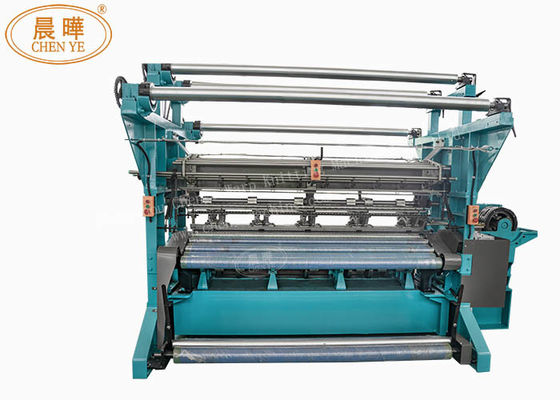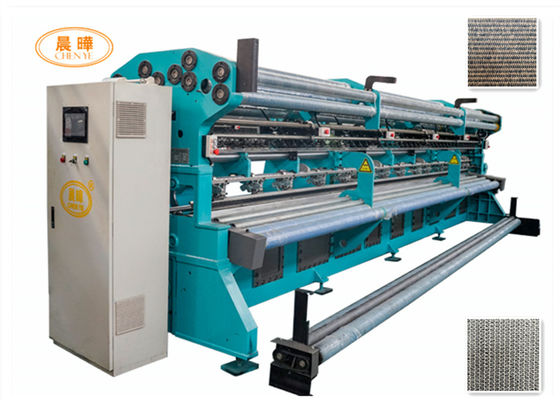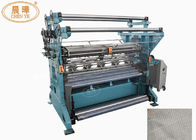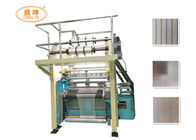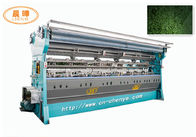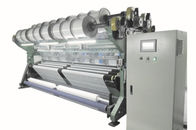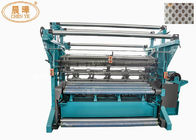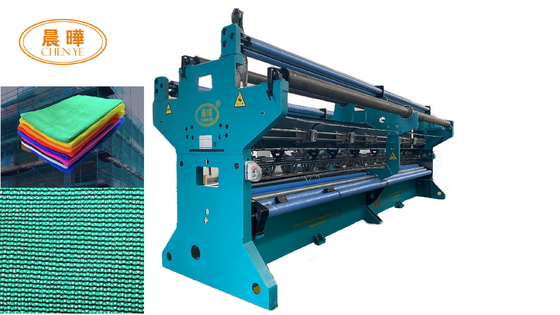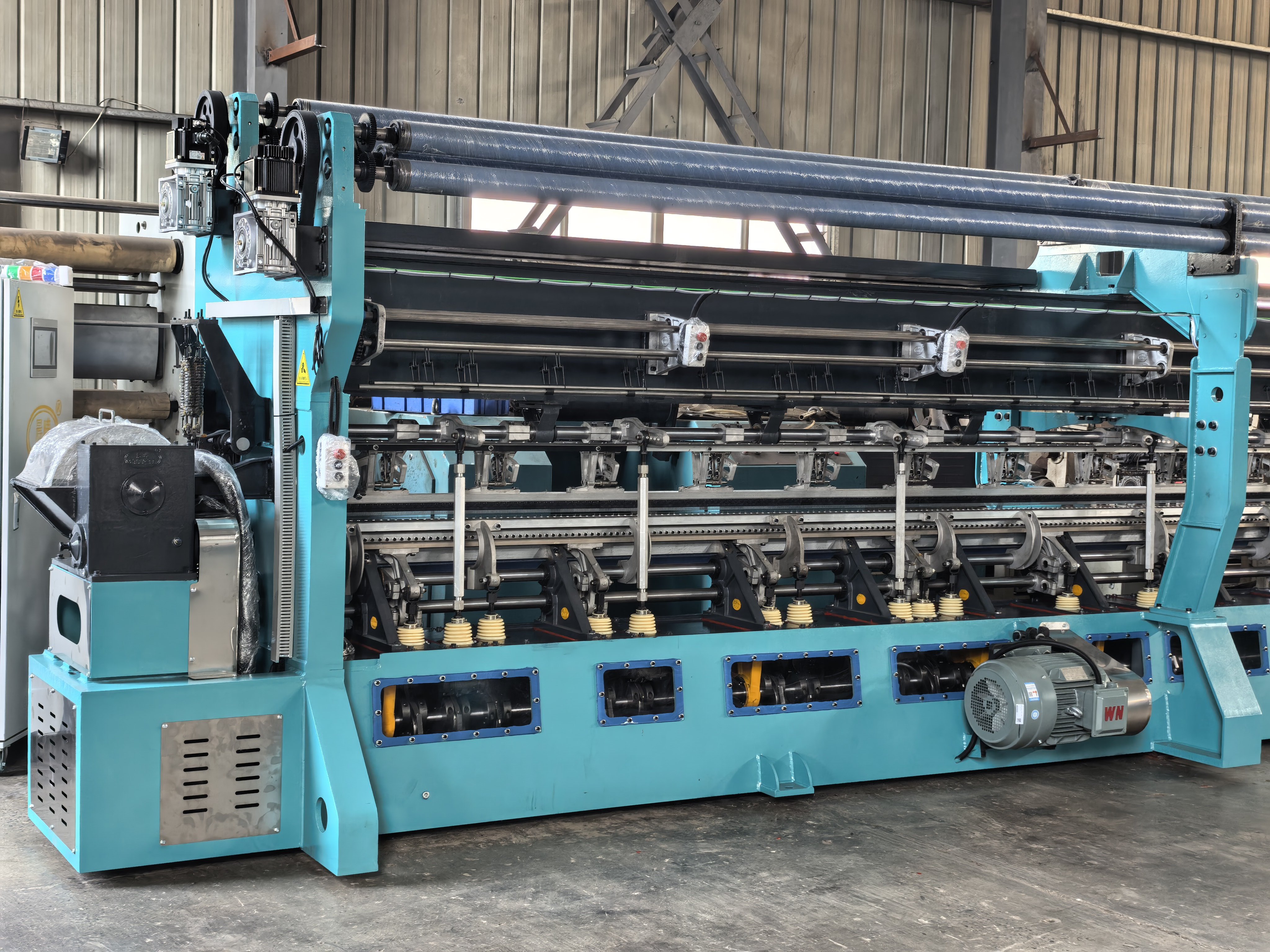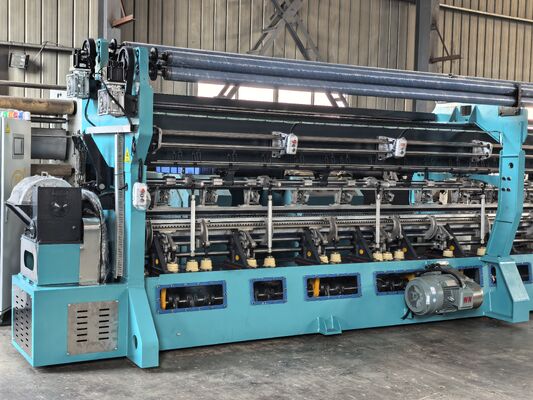
Machine speed is a critical factor in warp knitting production. It is typically measured in revolutions per minute (RPM) and directly affects production capacity and manufacturing efficiency.
| Type | Size (L×W×H) | Weight (Kg) | Power (KW) | Speed (rpm) |
|---|---|---|---|---|
| SRCA-135 | 4300×2200×2700 | 4700 | 3 | 200-530 |
| SRCA-150 | 4900×2200×2700 | 5000 | 3 | 200-530 |
| SRCA-180 | 6100×2200×2700 | 7500 | 5.5 | 200-530 |
| SRCA-220 | 7300×2200×2700 | 9000 | 5.5 | 200-530 |
| SRCA-260 | 8200×2200×2700 | 11000 | 7.5 | 200-480 |
| SRCA-340 | 10300×2200×2700 | 14000 | 11 | 200-450 |
Modern Raschel warp knitting machines generally operate between 200 and 450 RPM, depending on machine design, yarn type, and product structure. Some specialized net machines can even reach higher operating speeds under suitable conditions.
Higher machine speeds allow manufacturers to increase output and reduce production costs. However, excessive speed may increase yarn tension fluctuations and machine wear if the equipment is not properly designed.
To achieve stable high-speed operation, warp knitting machines require precision needle beds, reliable guide bars, advanced let-off systems, and accurate take-up mechanisms.At Changzhou Chenye Warp Knitting Machinery Co., Ltd., machine structures are optimized to ensure stable performance even during long-term high-speed production. This helps customers improve productivity while maintaining excellent product quality.Finding the right balance between speed and quality is essential for successful warp knitting operations.
![]()
![]()